New AI Photo Editing Trend 2026
Artificial intelligence has entered a transformative era where creativity, communication, and technology work together more seamlessly than ever before. Advanced tools such as ChatGPT and Google Gemini are redefining how we interact with visual content. One of the most powerful emerging trends is the ability to convert an image into a descriptive prompt, and then reverse the process by generating new images from those prompts.
What was once considered an experimental trick is now becoming a foundational method of digital creativity. These processes open the door to a future where ideas, words, and visuals operate in harmony. This article explains how to extract prompts from images using ChatGPT, how to generate images from prompts with Google Gemini, and why these tools are quickly transforming creative industries—including design, marketing, education, and casual content creation.
Understanding the Concept of Image-to-Prompt
Image-to-prompt generation is a technique where an AI model analyzes a photo and produces a detailed written description based on what it sees. For example, if you upload a picture of a woman near the Eiffel Tower during sunset, the AI might produce a prompt such as:
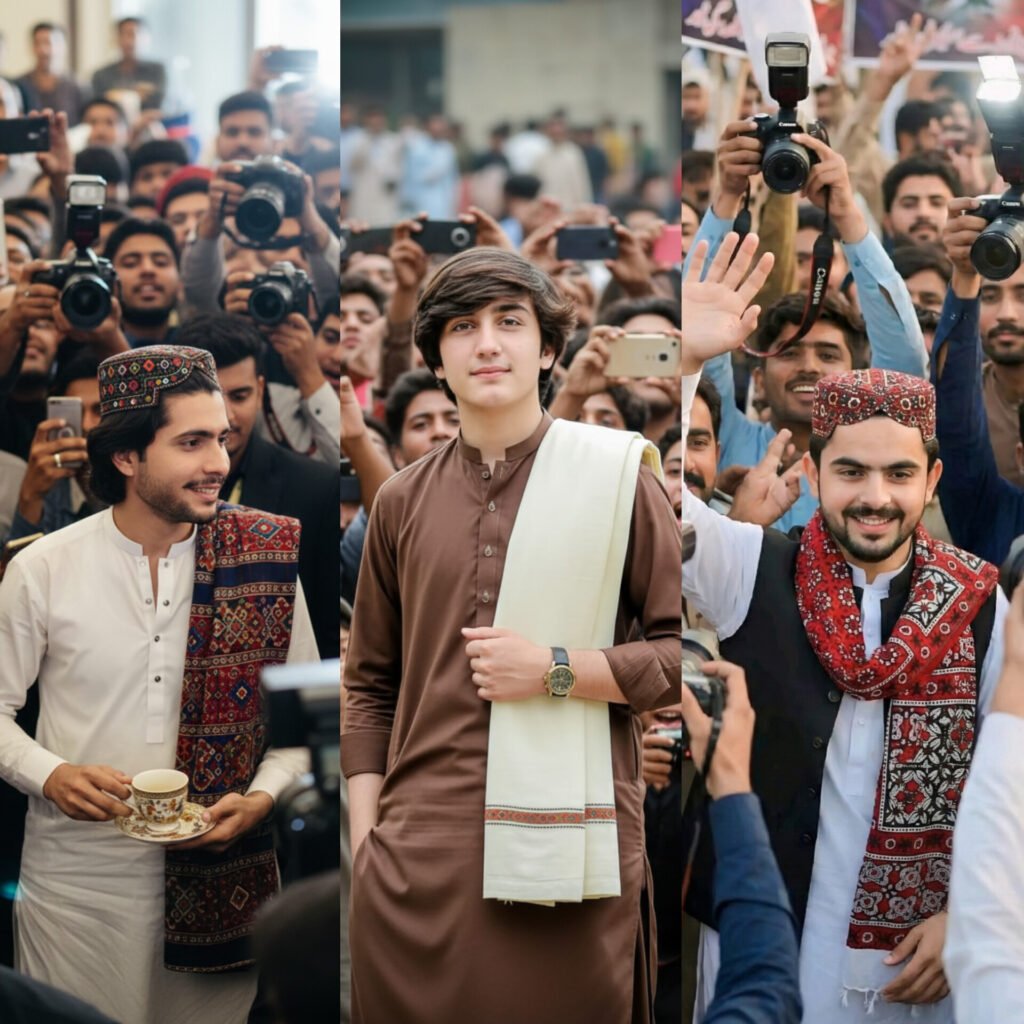
Prompt:
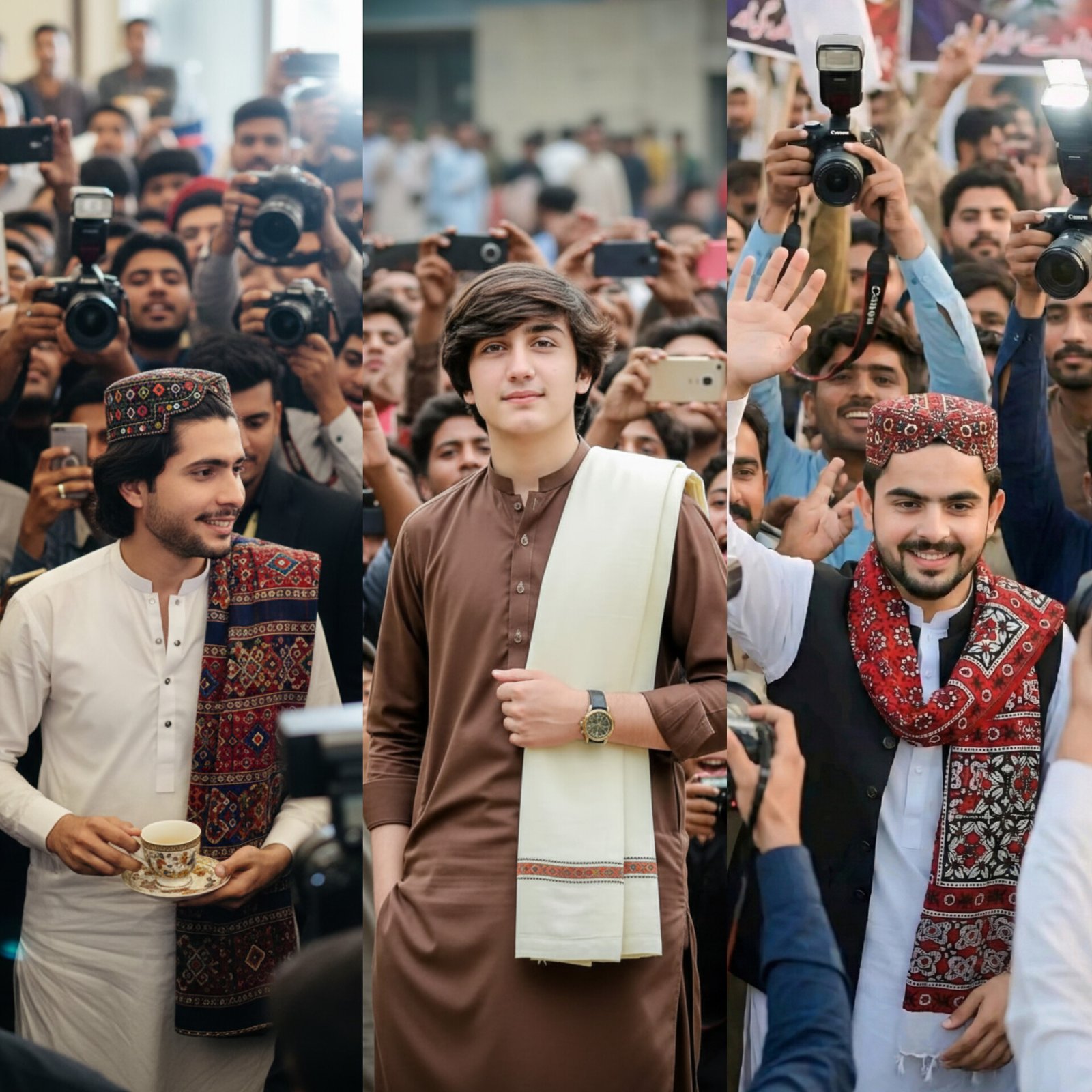
Ultra realistic candid photo of a (as in reference), standing in a crowded place with people holding cameras and taking photos.
The background is filled with fans and a little chaos of crowd, giving a true celebrity vibe. The photo should look like a real-life captured moment, with natural lighting, sharp details, and authentic atmosphere. Keep my Face 100% Same.
Generate Image
“a woman standing near the Eiffel Tower during golden hour, surrounded by warm orange lighting.”
This text prompt can then be used in various AI platforms to recreate, modify, or stylize the original image.
The purpose of converting an image into a prompt goes beyond simple description. It helps users by:
- Turning visual ideas into structured text, which can be reused in creative workflows.
- Helping those who struggle with writing prompts, giving them an accurate starting point.
- Maintaining consistency in design projects, brand visuals, and artistic styles.
- Expanding creativity by providing alternate ways to interpret the same image.
Image-to-prompt technology effectively transforms visuals into a flexible creative resource.
How to Generate Image Prompts Using ChatGPT
ChatGPT, with its advanced multimodal capabilities, can examine photographs and produce detailed creative prompts. The process typically involves uploading an image and requesting the AI to generate a descriptive or artistic prompt based on what it sees.
Instead of simply asking “what is in this picture?”, users get better results by asking:
“Please create a detailed text-to-image prompt based on this photo.”
This tells the model that you need a prompt suitable for image generation platforms.
ChatGPT can include elements such as:
- Subject
- Mood and atmosphere
- Lighting
- Artistic style
- Camera details
- Color palette
For example, ChatGPT might generate:
“a cinematic portrait of a man wearing a leather jacket, standing in a rainy neon-lit street, futuristic cyberpunk style, ultra-detailed lighting.”
This type of output can be placed directly into Google Gemini or other AI image generators for high-quality results.
ChatGPT can also follow specific formatting instructions. Users can request:
- short artistic prompts
- photography-style prompts
- long descriptive prompts
- prompts for fantasy, sci-fi, anime, or realism
This flexibility makes ChatGPT an essential tool for artists, designers, and content creators who want precise, professional prompts.
How to Generate Images from Prompts Using Google Gemini
Google Gemini is one of the most advanced AI systems currently available, capable of processing text, images, code, and complex instructions. Its prompt-to-image generation feature allows users to turn their written descriptions into detailed visual artwork.
The process is simple: type a clear prompt, and Gemini creates an image based on your instructions. The more specific the prompt, the more accurate the result.
For example:
“a futuristic city floating above the ocean, glass towers, flying vehicles, neon lights glowing at night.”
Gemini can convert this into a fully realized image with impressive detail and atmosphere.
Users can refine their outputs by:
- modifying the prompt
- adding a specific art style
- specifying lighting or mood
- including composition details
Gemini excels at interpreting context, merging artistic styles, and producing high-quality visuals in seconds. What used to take hours of manual design work can now be accomplished almost instantly.
The Connection Between Image-to-Prompt and Prompt-to-Image
When combined, these two processes create a powerful creative loop. A user can start with an existing image, extract a descriptive prompt using ChatGPT, and then feed that prompt into Google Gemini to generate new interpretations or variations.
For example:
- Upload a portrait to ChatGPT.
- Get a detailed artistic prompt.
- Insert that prompt into Gemini.
- Generate new creative versions in watercolor, retro film, cyberpunk, fantasy, or pencil sketch style.
This cycle supports endless exploration and artistic innovation. It allows creators to remix concepts, reinterpret visuals, and build new designs inspired by the original image.
Practical Applications Across Industries
This technology is making a significant impact across various creative and professional fields.
1. Design and Marketing
Brands can generate visual assets faster than ever. By extracting prompts from reference images, marketers maintain consistency in style, mood, and branding. Campaign visuals that used to take weeks can now be produced in hours.
2. Film, Gaming, and Animation
Concept artists and designers can use image-to-prompt workflows to rapidly generate character concepts, environments, and props. Early-stage prototypes can be developed instantly, helping speed up production pipelines.
3. Education
Teachers can turn historical photos, scientific diagrams, or artistic references into fresh visual interpretations. This helps create engaging learning materials that appeal to modern students.
4. Everyday Users
Casual users can transform travel photos, portraits, or family images into stylized art. A single photo can be turned into an oil painting, fantasy landscape, or digital illustration.
The Creative Future of AI Prompts
The collaboration between ChatGPT and Google Gemini demonstrates the growing importance of prompts in digital creativity. Prompts are becoming a new creative language—where words serve as the bridge between imagination and visuals.
With image-to-prompt and prompt-to-image technology:
- artistic skills are no longer required
- anyone can produce high-quality visual content
- creativity becomes more accessible and collaborative
As AI continues to evolve, the connection between words and images will grow even stronger. This marks a new era where human imagination can be expressed instantly.